One potential future for roulette is the integration of virtual and augmented reality technologies. This would allow players to immerse themselves in a virtual casino environment and enjoy a more realistic and engaging gaming experience.
Another potential future for roulette is the continued growth of online gaming. As more and more people turn to the internet for their gaming needs, online casinos are likely to become even more popular. This could lead to the development of new and innovative types of roulette games that are specifically designed for online play.
Finally, the continued expansion of cryptocurrency and blockchain technology could also have a significant impact on the future of roulette. As more players look for ways to make secure and anonymous transactions, it is possible that we will see more online casinos accepting cryptocurrencies like Bitcoin as a form of payment.
mega frenzy casino reviews
FAQ: Demystifying Casino Bonus Terms
What is the future of the game of roulette?
Payment Options at EVERYGAME Poker: Quick and Easy Transactions
オンカジがバレる3つの理由|2026年検挙279人の実態
WSOP USA Top 8 FAQ
Won $100000 at a Casino? What Happens Next
WPT Global Million Sunday Hyper PKO Showdown: Event Details & Guide
BetUS Casino Bonus Terms: Wagering Limits & Rules
What is TP in WPT poker?
How Wagering Bonuses Really Work (Explained with Examples)
mega frenzy casino
WPT Global Casino: A Fun-Filled Adventure
The $20 Casino Rule: Viral Slot Strategy That Actually Works
Bonus Wagering Demystified: Simple Guide to Playthrough Rules
Casino Bonus Terms USA – Why These Conditions Matter to Players
How to Qualify for WPT Live Events Online in 2025
What Is a Bonus Wagering Requirement?
Casino Bonus Money Demystified: Real Data Clear Examples & Tips
No Deposit No Wagering Bonus Explained: Keep What You Win!
オンカジ違法の真実!今すぐ知っておくべき賭博罪の事実
Paulius Plausinaitis Wins GGMillion$ SHR for $315054
mega frenzy casino
WPT Global: The Premier Choice for Poker Players
How Casino Bonuses Work: Rules Wagering & Tips
Mega Frenzy Casino Reviews: Games Bonuses Payments and Player Experience Explained
Who invented the game of roulette?
11 best poker apps and games for Android
オンラインカジノ有名どころ徹底解説:日本語対応と信頼性を比較
WPT Global Casino: A Fun-Filled Adventure
Paulius Plausinaitis Wins GGMillion$ SHR for $315054
WPT Global Now Title Sponsor For Triton Poker Super High Roller Series
No Deposit No Wagering Bonus Explained: Keep What You Win!
mega frenzy casino login
How has technology influenced the game of roulette?
How to Win at Online Blackjack: Strategies for 2025
When and where was the game of roulette first played?
安全カジノアプリ完全ガイド2026!リスクゼロで遊ぶコツ
Cory Zeidman Pleads Guilty to Sports Betting Fraud Scheme
Top No Deposit Casino Bonus Codes Canada 2026: Get Free Cash Now!
Use WPT777 Bonus Code to Claim Your Special Offer at WPT Global
Is Online Poker Rigged?
No Deposit Bonus Wagering Explained – Understanding 40x Requirements in the USA
オンカジのリスクと法的位置づけを解説【最新版】
FAQ
mega frenzy casino no deposit bonus
Play Online Poker on Android: The 2025 Guide
オンラインカジノ有名どころ徹底解説:日本語対応と信頼性を比較
Golden Bounty Championship: Your Weekly Shot at $100K on WPT Global
Is Trading With a No Deposit Bonus Actually Worth It?
日本で人気のオンラインカジノランキング2026|初心者におすすめサイト徹底解説
5大ギャンブルとは?完全ガイド!還元率・特徴を徹底比較
Most Trusted Online Casino: WPT Global
Cory Zeidman Pleads Guilty to Sports Betting Fraud Scheme
代表的なオンラインカジノは?ベラジョン・遊雅堂を紹介
オンラインカジノのヤバさ完全暴露!絶対知るべき5つのリスク
mega frenzy casino
Shevliakov’s Comeback Wins Million-Euro Prize! How Did an Amateur Shock Everyone at the EPT Monte Carlo?
Top 5 Online Casinos of 2025: Where to Play and Win Big
Wagering Rules Explained: What Every Beginner Must Know Before Betting
Mega Frenzy Casino Reviews: Games Bonuses Payments and Player Experience Explained
Bonus Wagering Requirements: A Simple Guide
Which Countries Can Play WPTGlobal in 2024?
What Is a 40x Wager Requirement?
FAQ: Mastering Wagering Requirements and Withdrawals
Bonus Bets Rules Explained: What You Must Know Before Betting
オンラインカジノ絶対禁止!今すぐ逮捕される危険な理由3つ
mega frenzy casino login
What role did roulette play in popular culture such as movies and literature?
Tips on how to win at online casinos and withdrawal conditions luck120.com
No Deposit Free Spins at WPT Global – Play Without Spending
What are some famous roulette scandals and controversies throughout history?
Best New USA Casinos with Huge Welcome Bonuses 2026
オンラインカジノはおすすめできる?日本の法律と安全な楽しみ方
WPT World Championship 2024 Kicks Off at Wynn Las Vegas: What to Expect
mega frenzy casino reviews
オンカジダメな理由・違法性・依存症リスク完全解説|日本国内からプレイすると犯罪?
Wagering Rules Explained: What Every Beginner Must Know Before Betting
Mega Frenzy Casino Login Guide: Account Access Password Recovery and Security
Crack 25x Wagering: Casino Bonus Secrets Revealed
Casino Bonus Wagering Requirements: What You MUST Know Before Claiming
No Deposit Bonuses: Are They Really Free?
How Casino Bonuses Work: Rules Wagering & Tips
WPT Globals New Welcome Bonus: Up to $3580 in Rewards
No Deposit Bonus Wagering Explained – Understanding 40x Requirements in the USA
WPT Prime Championship Returns with Jereld Sam Shining
When and where was the game of roulette first played?
mega frenzy casino no deposit bonus
Is Online Poker Rigged?
Bitstarz no deposit bonus up to 5 BTC and 200 free spins
オンカジはなぜダメ?今すぐ知るべきリスクと対策
Paulius Plausinaitis Wins GGMillion$ SHR for $315054
No Deposit Bonus Guide: What It Is How It Works and Real Examples
What is TP in WPT poker?
WPT Prime Championship Returns with Jereld Sam Shining
How to Use a Casino Bonus: Simple Guide
オンカジは日本で本当にダメ?法律とリスク徹底解説
Eligible Countries for EVERYGAME Poker: Join the Action with bonus code
mega frenzy casino reviews
Are No Wagering Bonuses Better? The Truth About Instant Cashout Casino Bonuses
How to win at slots Tricks to improve your odds
Golden Bounty Championship: Your Weekly Shot at $100K on WPT Global
WPT Global Now Title Sponsor For Triton Poker Super High Roller Series
Shevliakov’s Comeback Wins Million-Euro Prize! How Did an Amateur Shock Everyone at the EPT Monte Carlo?
New Rules for WSOP Paradise: Electronic Devices and Real-Time Assistance
WPT Global No Deposit Bonus 2025 – Try Real Online Poker Risk-Free
Casino Bonus Wagering Requirements: What You MUST Know Before Claiming
How Casino Bonuses Work: Types Wagering & Real Value Explained
Mega Frenzy Casino Login Guide: Account Access Password Recovery and Security
When and where was the game of roulette first played? The game as we know it today first appeared in Paris in 1796, and quickly gained popularity throughout Europe, especially in the casinos of Monte Carlo. The addition of the zero by Francois and Louis Blanc in the mid-19th century helped to increase the house edge and make the game more profitable for casinos.
Who invented the game of roulette?
mega frenzy casino login
安全カジノアプリ完全ガイド2026!リスクゼロで遊ぶコツ
人気のギャンブルアプリは?競馬・競輪・競艇の選び方
Paulius Plausinaitis Wins GGMillion$ SHR for $315054
How to Start Playing Online Poker in 2025: A Beginner’s Guide
カジノで人気のゲームTOP5!スロット・バカラ・ブラックジャック・ルーレット・ポーカーを解説
New Rules for WSOP Paradise: Electronic Devices and Real-Time Assistance
Cory Zeidman Pleads Guilty to Sports Betting Fraud Scheme
What is Hyper Dash in WPT Global?Dive into Quick Thrilling Poker Action!
Crack 25x Wagering: Casino Bonus Secrets Revealed
オンカジは日本で本当にダメ?法律とリスク徹底解説
mega frenzy casino no deposit bonus
Casino Bonus Terms and Conditions Explained – USA Player FAQ
Golden Bounty Championship: Your Weekly Shot at $100K on WPT Global
Casino Bonus Conditions USA – A Practical Guide to Common Rules
オンラインカジノ有名どころ徹底解説:日本語対応と信頼性を比較
5大ギャンブルとは?完全ガイド!還元率・特徴を徹底比較
2025年最新!有名なオンラインカジノアプリ7選【スマホで即遊べる】
Is Trading With a No Deposit Bonus Actually Worth It?
Top 5 Online Casinos of 2025: Where to Play and Win Big
オンカジダメな理由・違法性・依存症リスク完全解説|日本国内からプレイすると犯罪?
WPT Global’s Sunday Hyper PKO Showdown: Low Buy-In High Excitement
Who invented the game of roulette? The exact origins of roulette are a subject of much debate and speculation among historians and gambling enthusiasts. While there is no clear consensus on the game’s inventor, several theories exist regarding its creation.
One of the most popular theories is that the game was invented by a French mathematician named Blaise Pascal in the 17th century. According to this theory, Pascal was attempting to develop a perpetual motion machine when he inadvertently created the roulette wheel.
オンカジのリスクと法的位置づけを解説【最新版】
mega frenzy casino reviews
FAQ: Demystifying Casino Bonus Terms
Is Trading With a No Deposit Bonus Actually Worth It?
オンラインカジノはおすすめできる?日本の法律と安全な楽しみ方
オンカジがバレる3つの理由|2026年検挙279人の実態
WPT Global’s Sunday Hyper PKO Showdown: Low Buy-In High Excitement
2025 Latest Edition Top 5 Recommended Online Casino Rankings luck120.com
The $20 Casino Rule: Viral Slot Strategy That Actually Works
5大ギャンブルとは?完全ガイド!還元率・特徴を徹底比較
New Rules for WSOP Paradise: Electronic Devices and Real-Time Assistance
Why Cant I Withdraw My Casino Bonus? (Fixed!)
mega frenzy casino reviews
The Daily Prime Tournaments from WPT Global
How to Win at Online Slots in 2025 with WPT Global
How Casino Bonuses Work: Types Wagering & Real Value Explained
Understanding US Casino Bonus Terms: The Essential 2026 Guide
Casino Bonus Terms and Conditions Explained – USA Player FAQ
WPT Global’s Sunday Hyper PKO Showdown: Low Buy-In High Excitement
What Does 40x Wagering Bonus Mean?
How to Win at Online Blackjack: Strategies for 2025
人気オンカジサイトまとめ
Phil Ivey Hosts Festive Meet-Up Game at Wynn Las Vegas This December
No-Deposit Bonuses: How They Work Real Examples and What to Watch For
Casino Terms Explained: Beginner Guide
WPT Global Spring Festival: $7000000 Guaranteed Prize Pool
What can I do with a casino bonus to boost play and profits
Unlock Frances Casino Secrets: How to Launch Yours
What role did roulette play in popular culture such as movies and literature?
How to Download WSOP NV
WPT Globals New Welcome Bonus: Up to $3580 in Rewards
WPT Global ¥110 CN¥ Million Sunday Hyper PKO Showdown
Las Vegas Casino Rules: Play Smart in 2026
mega frenzy casino login
How to Download Register and Master WPT Global: 2025 Ultimate Guide
Best New USA Casinos with Huge Welcome Bonuses 2026
WPT World Championship 2024 Kicks Off at Wynn Las Vegas: What to Expect
Why Cant I Withdraw My Casino Bonus? (Fixed!)
Qualify for Red Dragon Poker Tour Jeju 2025 via WPT Global Satellites
No Deposit Bonuses: Are They Really Free?
No Wagering Bonus Explained: Real Cashouts Zero Wagering
オンカジ出金で捕まる?日本で勝ち金を引き出す本当のリスク
How to Use a Casino Bonus: Simple Guide
Which Countries Can Play WPTGlobal in 2024?
How Casino Bonuses Work A casino bonus is an offer that gives you extra funds or free spins when you meet specific conditions. For example, a 100% deposit match on a $100 deposit adds $100 in bonus funds to your account.
The key detail is the wagering requirement, sometimes called the playthrough requirement. If a $100 bonus has a 30× requirement, you must place $3,000 in qualifying bets before you can withdraw winnings tied to that bonus.
Wagering Requirements Explained: How They Work & Tips to Win
mega frenzy casino no deposit bonus
Bonus Bets Rules Explained: What You Must Know Before Betting
No Deposit Bonus Guide: What It Is How It Works and Real Examples
WPT Global Withdrawal Guide: Cashing Out Made Simple
Understanding US Casino Bonus Terms: The Essential 2026 Guide
Casino Terms Explained: Beginner Guide
mega frenzy casino
What Is a No Deposit Bonus? How It Works & Examples
2025 WSOP Explosion! New Formats + Huge Prizes Poker Players Must Not Miss It!
Phil Ivey Hosts Festive Meet-Up Game at Wynn Las Vegas This December
オンラインカジノ有名どころ徹底解説:日本語対応と信頼性を比較
BetUS Casino Bonus Terms: Wagering Limits & Rules
Mega Frenzy Casino Reviews: Games Bonuses Payments and Player Experience Explained
How to choose a recommended online casino and points to play safely luck120.com
What Is a 40x Wager Requirement?
オンラインカジノはなぜ違法?知らないと危険な理由
What is a Rake Chase?
What a wagering requirement means in practice A wagering requirement is a rule that says you must wager the bonus amount a certain number of times before you can withdraw any winnings tied to that bonus. For example, if you receive a 50% deposit match bonus of $100 with a 25x WR, you’d need to place $2,500 in qualifying bets before you can cash out the bonus winnings. Some casinos also require that your initial deposit be included in the calculation, so you might see (Deposit + Bonus) × WR.
人気オンカジサイトまとめ
mega frenzy casino no deposit bonus
Paulius Plausinaitis Wins GGMillion$ SHR for $315054
オンラインカジノ絶対禁止!今すぐ逮捕される危険な理由3つ
Are No Wagering Bonuses Better? The Truth About Instant Cashout Casino Bonuses
Tips on how to win at online casinos and withdrawal conditions luck120.com
How to Qualify for WPT Live Events Online in 2025
The Thrilling Race for WPT Season 22 Player of the Year at Wynn Las Vegas
Thorough explanation of online casino withdrawal conditions and how to earn money luck120.com
Unlock Frances Casino Secrets: How to Launch Yours
Wagering Rules Explained: What Every Beginner Must Know Before Betting
How to Start Playing Online Poker in 2025: A Beginner’s Guide
mega frenzy casino
WPT Prime Championship Returns with Jereld Sam Shining
What is a Rake Chase?
Cory Zeidman Pleads Guilty to Sports Betting Fraud Scheme
One Shot – Freezeout Tournament by WPT Global
How Wagering Bonuses Really Work (Explained with Examples)
WPT Global ¥110 CN¥ Million Sunday Hyper PKO Showdown
Can I Play GGPoker in the US?
What is Hyper Dash in WPT Global?Dive into Quick Thrilling Poker Action!
FAQ: Mastering Wagering Requirements and Withdrawals
Wagering Rules Explained: What Every Beginner Must Know Before Betting
Roulette has played a significant role in popular culture appearing in numerous movies books and other forms of media. In movies roulette often appears as a symbol of glamour luxury and risk-taking. One of the most famous examples is the classic film “Casablanca” where the game is prominently featured in several scenes. In the movie the character Rick (played by Humphrey Bogart) runs a popular nightclub and casino in Casablanca Morocco where roulette is one of the main attractions.
Understand how a Mega Frenzy Casino no deposit bonus may work including eligibility wagering requirements game restrictions expiration rules and what to verify before claiming an offer.
WPT Global partners with Triton Poker as the title sponsor of the Super High Roller Series introducing the $25000 WPT Global Slam and offering players worldwide access to high-stakes tournaments.
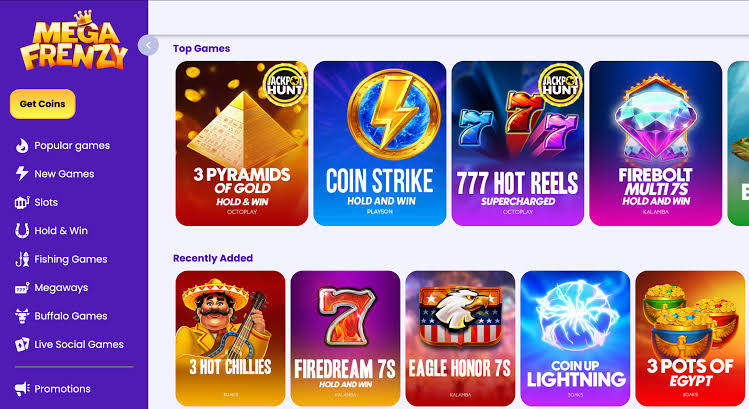
A comprehensive Mega Frenzy Casino guide covering account access casino games bonuses mobile play security checks and the important details US players should review before getting started.
The game as we know it today first appeared in Paris in 1796 and quickly gained popularity throughout Europe especially in the casinos of Monte Carlo. The addition of the zero by Francois and Louis Blanc in the mid-19th century helped to increase the house edge and make the game more profitable for casinos.
One of the most popular theories is that the game was invented by a French mathematician named Blaise Pascal in the 17th century. According to this theory Pascal was attempting to develop a perpetual motion machine when he inadvertently created the roulette wheel. While this story is widely circulated there is little concrete evidence to support it.
What is the future of the game of roulette? Mega Frenzy Casino Login, No Deposit Bonus & Reviews
mega frenzy casino
Master the $20 Casino Slot Hack That Banks Love to Hate
No-Deposit Bonuses: How They Work Real Examples and What to Watch For
Is Online Poker Rigged?
300% Online Casino Bonus: Find Top Promotions Today
WPT Global Million Sunday Hyper PKO Showdown: Event Details & Guide
WPT Global Now Title Sponsor For Triton Poker Super High Roller Series
Mega Frenzy Casino for US Players: Games Payments Mobile Access and Safety Checklist
How to Download WSOP NV
Martin Tsvetanov Wins Record-Breaking Eureka Main Event at EPT Prague
安全カジノアプリ完全ガイド2026!リスクゼロで遊ぶコツ
mega frenzy casino
Can I Play GGPoker in the US?
Doug Polk Faces Backlash Over Playing in His Own Tournaments at The Lodge
When and why was the double zero added to the American roulette wheel?
New Rules for WSOP Paradise: Electronic Devices and Real-Time Assistance
Master the $20 Casino Slot Hack That Banks Love to Hate
One Shot – Freezeout Tournament by WPT Global
BetUS Casino Bonus Rules Explained: Wagering Time Limits & More
A Woman’s Guide to Selecting the Perfect Sex Toy
WPT Global Million Sunday Hyper PKO Showdown: Event Details & Guide
WPT Global No Deposit Bonus 2025 – Try Real Online Poker Risk-Free
When and where was the game of roulette first played? The game as we know it today first appeared in Paris in 1796, and quickly gained popularity throughout Europe, especially in the casinos of Monte Carlo. The addition of the zero by Francois and Louis Blanc in the mid-19th century helped to increase the house edge and make the game more profitable for casinos.
Who invented the game of roulette? The exact origins of roulette are a subject of much debate and speculation among historians and gambling enthusiasts. While there is no clear consensus on the game’s inventor, several theories exist regarding its creation.
One of the most popular theories is that the game was invented by a French mathematician named Blaise Pascal in the 17th century. According to this theory, Pascal was attempting to develop a perpetual motion machine when he inadvertently created the roulette wheel.