



















































































Is Trading With a No Deposit Bonus Actually Worth It?

Is it wise to trade with a no‑deposit bonus? For many people, the answer is “yes—but only if you use it the right way.” A no‑deposit bonus lets you trade with real money without putting up your own cash, but it also comes with strict rules, limits, and risks that can turn a fun experiment into a frustrating experience.
A no‑deposit bonus is free money that a broker gives you when you open an account. For example, many forex brokers offer 10, 20, or up to 50 dollars of free capital just for registering and verifying your account. This money is usually deposited directly into a live trading account, so you can open real trades instead of using a practice demo. The main benefit is you get to see how the platform feels, how fast orders are filled, and how spreads behave on real markets, all without risking your own funds.
Most no‑deposit bonuses are not completely “free” in the way they sound. A typical offer might require you to trade a certain volume, such as 10 or 20 times the bonus amount, before you can withdraw any profits. For instance, if you receive a 30‑dollar bonus and the terms say “30x turnover,” you must trade 900 dollars worth of volume before you can cash out. There are also time limits—often 30 to 90 days—after which any unused bonus or unearned profits simply disappear.
Another important detail is that many brokers do not let you withdraw the bonus itself, only the profits you make from it. If you earn 50 dollars in profit from a 20‑dollar bonus, you may be able to keep the 50 dollars (once all conditions are met), but the original 20 dollars stays with the broker. In some cases, there are extra conditions, such as minimum trading days, maximum leverage, or limits on how many trades you can place. If you break any of these rules, even by accident, the broker can cancel your bonus or block your withdrawals.
Using a no‑deposit bonus wisely means treating it like a training budget, not an income source. For example, instead of risking the full amount on one high‑risk trade, you might trade in tiny sizes, like 0.01 lots, and focus on following your plan, managing risk, and learning how to handle real emotions like fear and excitement. If your goal is to test an EA (Expert Advisor) or a simple strategy, you can run it on a small account for a few weeks and see how it performs under real market conditions before you put your own money on the line.
However, no‑deposit bonuses can become a bad idea if you start ignoring the rules or trading too aggressively. Because the money feels “free,” some traders increase their leverage, chase losses, or jump into complex instruments they don’t understand. For example, someone might open a highly volatile crypto pair with a 1:500 leverage on a 10‑dollar bonus and blow the entire account in one trade. Once the bonus is gone, they may feel tempted to deposit their own money to “make up” for the loss, which can quickly spiral into larger financial harm.
To decide if it is wise for you, start by checking the broker’s background and terms clearly. Look for regulated brokers with solid reviews, clear bonus terms, and a history of fair withdrawals. If you read the fine print and see conditions like 50x turnover, 10‑day limits, or maximum withdrawals capped at 200 dollars, ask yourself if that still feels fair and useful. If the rules are confusing, very strict, or seem designed to make it nearly impossible to withdraw, it is usually smarter to skip the bonus and open a small funded account instead.
In short, trading with a no‑deposit bonus can be wise if you use it as a safe, low‑risk classroom to learn and test strategies. It helps you experience real trading pressure without risking your savings, as long as you respect the rules and keep your risk small. But if you treat the bonus as “free money” to chase quick profits or ignore the terms, it can create stress, disappointment, and bad habits that hurt you later on.
FAQ
What is the future of the game of roulette?
What is the future of the game of roulette? One potential future for roulette is the integration of virtual and augmented reality technologies. This would allow players to immerse themselves in a virtual casino environment and enjoy a more realistic and engaging gaming experience. Another potential future for roulette is the continued growth of online gaming. As more and more people turn to the internet for their gaming needs, online casinos are likely to become even more popular.
Who invented the game of roulette?
Who invented the game of roulette? The exact origins of roulette are a subject of much debate and speculation among historians and gambling enthusiasts. While there is no clear consensus on the game’s inventor, several theories exist regarding its creation. One of the most popular theories is that the game was invented by a French mathematician named Blaise Pascal in the 17th century. According to this theory, Pascal was attempting to develop a perpetual motion machine when he inadvertently created the roulette wheel.
What is a Rake Chase?
What is a Rake Chase? Rake chases are poker promotions which are incentives for players to rake more and reward them generously for that. In contrary to a rake race, you don’t compete against other players , but instead chase your own individual targets. In order to hit the points targets you need to play a certain amount of poker hands or tournaments for real money. As soon as you hit the points requirement, you have secured yourself the amount of money, which was preset for the respective level.
Wagering Requirements Explained: How to Beat Bonus Playthrough in 2026
What Are the Wagering Requirements for Bonuses? If you’ve ever claimed an online casino bonus, you’ve probably seen the term wagering requirements in the fine print. Wagering requirements (also called playthrough or rollover requirements) are the number of times you must bet the bonus amount before you can withdraw any winnings. For example, if you get a $50 bonus with a 30x requirement, you must bet $1,500 total before cashing out.
No Wagering Bonus Explained: Real Cashouts Zero Wagering
A no wagering bonus is a casino promotion that comes with zero wagering requirements, meaning you can withdraw your winnings immediately without having to bet the bonus or winnings a certain number of times first. For example, if you claim 10 free spins with no wagering and win $15 from those spins, that $15 is yours to keep and cash out right away, unlike traditional bonuses where you might need to bet that $15 thirty times before withdrawing.
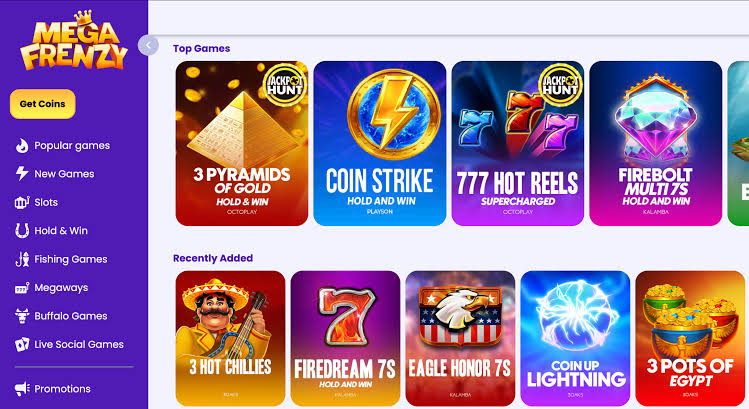
Mega Frenzy Casino Login, No Deposit Bonus & Reviews
This site only collects related articles. Viewing the original, please copy and open the following link:Is Trading With a No Deposit Bonus Actually Worth It?